
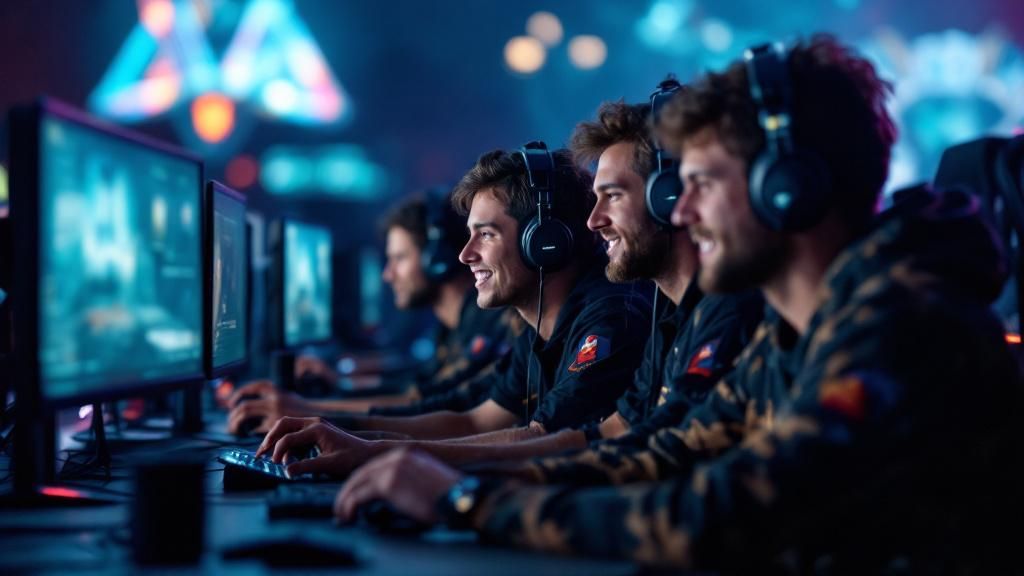
In an increasingly interconnected world, mobile gaming has gone beyond simple entertainment to function as a significant driver for genuine human connection. Tournament competition across gaming platforms like PUBG Mobile and Call of Duty: Mobile has fostered thriving global communities where gamers build lasting friendships whilst battling for supremacy. This piece explores how competitive gaming tournaments unite individuals across continents, investigating the psychological bonds created by common interest, team-based cooperation, and the universal language of competitive play that converts casual gamers into lifelong companions.
The Expansion of Mobile Gaming Groups
The widespread growth of smartphones and better internet connectivity has revolutionised the gaming landscape, permitting millions of players worldwide to take part in competitive multiplayer experiences from almost any location. What began as simple casual gaming has grown into a advanced ecosystem of coordinated groups, professional tournaments, and dedicated platforms. Mobile gaming communities have expanded rapidly, with titles such as PUBG Mobile, Clash Royale, and Call of Duty: Mobile drawing hundreds of millions of active players. This extraordinary growth has created unparalleled opportunities for community engagement and competitive engagement on a global scale.
These rapidly expanding communities have significantly transformed how gamers engage and form relationships. Rather than isolated experiences, mobile gaming now supports shared networks where players from diverse geographical and cultural backgrounds converge around shared interests. Tournament structures, leaderboards, and ranked systems have established formal play, setting out clear pathways for improvement and acknowledgement. The ease of access to mobile gaming has made competitive gaming more accessible gaming, eliminating conventional obstacles to entry and enabling aspiring competitors to demonstrate their skills internationally. Consequently, relationships formed within these communities often transcend the digital realm, evolving into genuine real-world friendships.
Developing Enduring Bonds By Way of Competition
Competitive tournament play functions as a notable catalyst for building authentic connections amongst mobile gamers globally. When players compete alongside one another in organised tournaments, they experience mutual wins and setbacks that create profound emotional bonds. These experiences transcend geographical boundaries, allowing individuals from different cultural backgrounds to understand each other fundamentally. The intensity of competitive play cultivates reciprocal regard and comprehension between participants, turning fellow competitors into trusted teammates and lifelong companions who mark triumphs as one and stand by each other through challenges.
The cooperative nature of group-based events amplifies relationship building exponentially. Players must communicate effectively, develop strategies collectively, and rely upon each other’s skills and expertise. This interdependence builds mutual respect and belonging that reaches far further than individual matches. Squad members develop inside jokes, common experiences, and community connection within their gaming circles. The ongoing communication required for event planning reinforces these relationships progressively, establishing friendship groups that deliver personal encouragement, gaming companionship, and authentic bonds that many participants regard with equal importance to their offline relationships.
Tournament victories and defeats alike play a significant role to friendship formation. Celebrating achievements collectively strengthens team unity, whilst handling setbacks together develops emotional strength and understanding. Players develop an appreciation for each other’s strengths, adjust to shortcomings, and operate in harmony towards mutual aims. These shared experiences build a solid foundation for long-term friendships that frequently thrive across multiple gaming titles and reach into wider social connections, demonstrating the remarkable power of competition to connect people authentically.
Global Event Frameworks and Competitive Play
The terrain of mobile esports competitions has transformed significantly over the previous decade, creating complex organisational models that enable competitive play on an extraordinary international scope. Leading esports bodies and gaming studios have invested substantially in establishing organised competitive frameworks, area-based qualifying rounds, and global competitive events that accommodate vast numbers of competitors across the globe. These tournaments function across various levels, from local amateur events to officially recognised competitions delivering significant financial rewards. The uniform structures ensure fair competition whilst permitting participants from various countries to test themselves against each other, building a sense of belonging within the larger competitive environment and demonstrating that talent surpasses borders and cultural differences.
Tournament competition formats have proven to be instrumental in creating clear progression pathways for would-be professional players and informal participants alike. Ranked seasons, ranking ladders, and performance-driven progression systems encourage ongoing participation and individual development amongst participants. The transparent nature of tournament competition—where gameplay statistics are publicly displayed and achievements are widely acknowledged—creates an atmosphere of meritocracy that appeals to players looking for validation and recognition. Furthermore, the incorporation of broadcast streaming services and viewing features has transformed competitive mobile gaming events into communal events, allowing vast audiences to witness exciting competitions whilst at the same time strengthening the bonds between competitors and supporters who rejoice in wins and commiserate defeats together.
The Social Consequences of Organised Gaming Events
Structured competitive gaming have fundamentally transformed how gamers view competitive play and social connection. These tournaments serve as catalysts for authentic connection, overcoming geographical boundaries and cultural differences. When players participate on a global stage, they experience a shared sense of purpose that strengthens interpersonal bonds. The formal design of structured competitions creates chances for competitors to demonstrate their talents and concurrently fostering mutual regard amongst fellow players. This context fosters authentic bonds that frequently reach beyond the esports environment into ordinary routines, demonstrating that organised tournaments operate as significant community bridges in the modern era.
The widespread consequences of these gaming events extend throughout entire communities, motivating emerging talent and creating mentors within the esports ecosystem. Elite-level events transmitted internationally demonstrate that gaming holds genuine cultural value, motivating competitors to engage deeply in their social circles. Players commonly note that tournament participation has improved their confidence, communication skills, and ability to collaborate with varied communities. Moreover, the financial backing and journalistic focus accompanying high-profile competitions affirm gaming as a genuine community pursuit, motivating loved ones to champion professional competitors. This validation converts solitary play sessions into celebrated cultural phenomena that reinforce relationships globally.
